
A powered wheelchair can change the shape of an ordinary day: getting from the bedroom to the kitchen, joining family outside, visiting a clinic, or moving through a shopping center with less reliance on others. That is why waranti motor kerusi roda elektrik deserves more attention than a line of small print. The motor is central to movement, confidence, and everyday independence.
A good warranty does not mean an electric wheelchair will never need attention. It means that when a covered manufacturing fault affects a major component, there is a clear path to professional assessment and repair. For buyers choosing a chair for themselves, a parent, or a spouse, that support can be just as meaningful as chair weight, folding design, range, or weight capacity.
What a motor warranty actually covers
The motor converts electrical power from the battery into movement at the wheels. Depending on the wheelchair design, it works alongside the controller, wiring, gearbox, brakes, joystick, and battery system. If the chair does not move correctly, the motor may be involved, but it is not always the cause.
A motor warranty generally protects against manufacturing defects that appear during the stated coverage period under normal use. Examples may include an internal motor fault, an abnormal failure of a motor component, or a defect that prevents the motor from operating as designed. The exact decision follows an inspection by a qualified service team, because symptoms alone do not confirm the source of a problem.
At Vechair, electric wheelchair motors are covered by a two-year warranty. Batteries, chargers, and controllers are covered for one year. This distinction matters because each part has a different role and different wear pattern. A battery is consumable and affected by charging habits, storage temperature, and usage frequency. A motor is built for sustained mechanical work, so its warranty period is longer.
A warranty is not the same as lifetime maintenance. Parts that naturally wear through use, accidental damage, water damage, modifications, and problems caused by misuse may fall outside coverage. Before buying, ask for the warranty terms in clear language and keep your purchase documentation. A reliable seller should be able to explain what is covered, how an inspection works, and where parts and repairs will be handled.
Why the motor matters more than many buyers expect
A lightweight folding chair may look simple, but its performance depends on the entire drive system working together. The motor influences acceleration, hill-climbing ability, braking response, and how confidently the chair handles daily routes. For a user who travels by car, a compact chair may be the right choice. For someone using uneven paths, ramps, or outdoor areas, motor performance and terrain suitability need closer consideration.
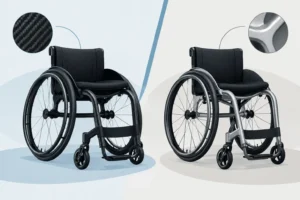
The strongest motor is not automatically the best option. A heavy-duty or off-road wheelchair may offer higher capacity and more capable outdoor performance, but it can be heavier to transport and may take up more space at home. An ultra-light carbon or magnesium model can make lifting and vehicle storage easier, although its intended terrain and user-weight limits should still match real life.
Think about the route, not just the showroom floor. Will the chair cross door thresholds? Is there a steep driveway? Does the user need to travel over rough pavement, grass, or tiled walkways? Will a caregiver regularly fold and lift the chair into a car? These practical questions help determine whether a motor system is appropriate before warranty coverage ever needs to be used.
Signs your electric wheelchair needs service
Do not assume a loss of movement means the motor has failed. Sometimes the solution is as simple as releasing a freewheel lever, fully charging the battery, reconnecting a plug, or checking for an active error indication. Still, a change in driving behavior should not be ignored, especially if it affects safety.
Arrange a professional inspection if the chair repeatedly loses power, moves unevenly, makes a new grinding or clicking sound, pulls strongly to one side, hesitates after joystick input, or stops unexpectedly. If there is a burning smell, visible wire damage, heat around the drive area, or unusual vibration, stop using the chair until it has been checked.
A service technician will typically examine more than the motor. They may test battery voltage, charger output, controller signals, connectors, brakes, tires, and mechanical resistance at the wheels. This approach protects the user from unnecessary replacement costs and makes sure the real issue is addressed.
How to protect your warranty and your daily mobility
The best way to care for a motor is to care for the wheelchair as a complete system. Regular, sensible habits reduce avoidable strain and help technicians identify genuine component issues quickly.
Keep the chair dry whenever possible and wipe away dirt, sand, or moisture after outdoor use. Avoid driving through standing water unless the specific model is designed and approved for those conditions. Water can affect electrical connectors and controls even when the motor itself appears fine.
Use the correct charger supplied or approved for the wheelchair, and follow the recommended charging routine. A weak battery can make the chair feel slow or unresponsive, leading users to suspect the motor when the power source is actually the issue. Do not overload the chair or carry passengers, as excess weight places stress on the motors, frame, wheels, and braking system.
It also helps to avoid abrupt impacts with curbs and to keep tires in good condition. Underinflated pneumatic tires increase rolling resistance, which makes the drive system work harder. If the wheelchair is stored for a long period, follow the supplier’s instructions for battery charging and storage rather than leaving it unused with a depleted battery.
Questions to ask before you buy
Warranty value depends on the service behind it. A two-year motor warranty is more useful when the provider can inspect the chair, diagnose the fault, and access replacement parts without leaving the customer to solve the problem alone.
Before choosing a model, ask where repairs are performed, whether spare parts are available locally, how warranty claims are assessed, and what information you should keep after purchase. Ask whether the chair’s motor and drivetrain are suitable for the user’s weight, usual terrain, and expected travel distance. If a chair is intended for frequent outdoor use, discuss that openly rather than selecting only by price or appearance.
A test drive is valuable because it reveals things a specification sheet cannot. Pay attention to joystick response, turning space, seat comfort, braking feel, ease of folding, and how secure the user feels when starting and stopping. For caregivers, test how manageable the chair is to fold, lift, and load.
When warranty support is most valuable
The real benefit of a motor warranty often appears after the excitement of a new purchase has passed. Mobility equipment becomes part of a routine, and any interruption can affect work, appointments, family plans, and a person’s sense of freedom. Clear service support turns a technical fault into a manageable next step.
If your electric wheelchair shows a possible motor-related problem, record what happened, when it started, whether an indicator light appeared, and what conditions were present. Avoid dismantling the drive system yourself. Contact the service provider with the model, purchase details, and a concise description of the issue so the team can guide you safely.
The right electric wheelchair should feel like dependable personal technology, not another worry to manage. Choose a chair built for your actual life, maintain it with care, and select warranty support that helps keep independence moving forward.