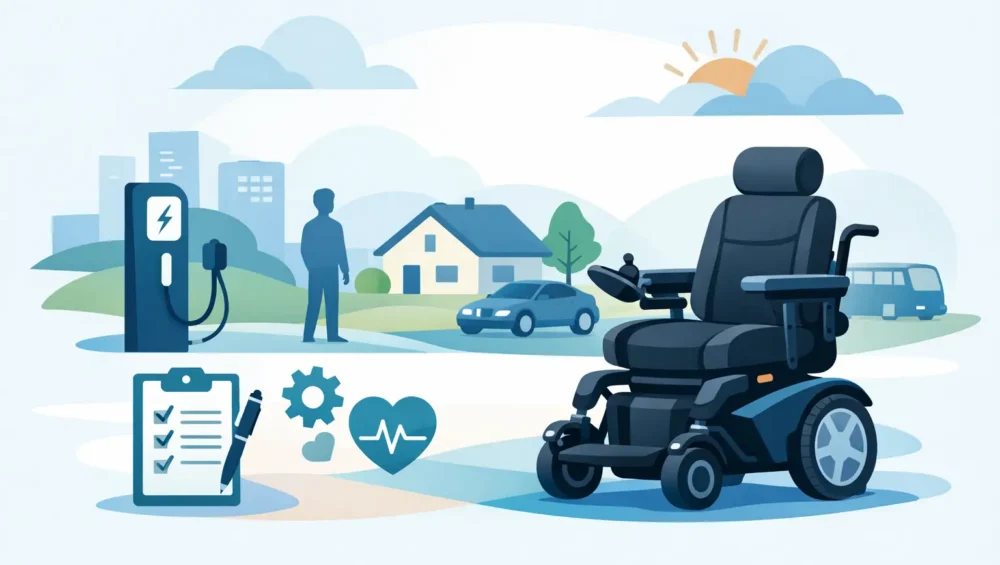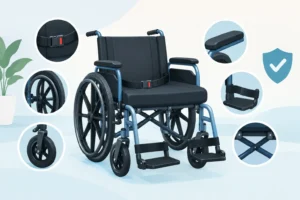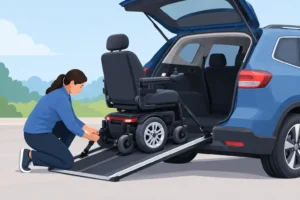


Bagi pengguna bertubuh besar, mencari kerusi roda bukan sekadar soal menemukan tempat duduk yang boleh bergerak. Ia soal rasa yakin ketika keluar rumah, kestabilan semasa melalui laluan tidak rata, dan keselesaan untuk menjalani rutin tanpa membebankan badan atau penjaga. Kerusi roda elektrik 200kg direka untuk memenuhi keperluan ini, tetapi kapasiti tinggi sahaja tidak semestinya menjadikan sesuatu model pilihan yang tepat.
Pilihan yang baik perlu menyokong cara pengguna hidup setiap hari. Adakah kerusi digunakan dari bilik tidur ke ruang makan, untuk ke klinik, ke pusat membeli-belah, atau untuk bergerak di kawasan perumahan? Jawapannya akan menentukan saiz roda, jenis tempat duduk, kuasa motor, keupayaan lipatan dan banyak lagi.
Siapa yang memerlukan kapasiti 200kg?
Kerusi berkapasiti sehingga 200kg lazimnya sesuai untuk pengguna bariatrik, pengguna dengan bentuk tubuh yang memerlukan ruang duduk lebih luas, atau individu yang memerlukan sokongan tambahan daripada kusyen, beg perubatan dan aksesori tertentu. Ia juga boleh menjadi pilihan yang lebih meyakinkan untuk keluarga yang mahukan margin kapasiti tambahan, berbanding memilih kerusi yang terlalu hampir dengan berat pengguna.
Namun, angka 200kg perlu dibaca dengan tepat. Kapasiti muatan merujuk kepada had berat maksimum yang ditetapkan oleh pengeluar, biasanya termasuk pengguna dan barang yang dibawa pada kerusi. Jangan menganggap kapasiti ini sebagai sasaran berat harian yang perlu sentiasa digunakan hingga maksimum. Untuk penggunaan yang lebih stabil dan jangka hayat komponen yang baik, pilih model dengan ruang kapasiti yang munasabah mengikut berat sebenar serta aksesori pengguna.
Lebar tempat duduk juga sama penting. Kerusi yang menyokong 200kg tetapi mempunyai tempat duduk terlalu sempit tetap boleh menyebabkan tekanan pada pinggul, paha dan bahagian sisi badan. Sebaliknya, tempat duduk yang terlalu lebar boleh membuatkan pengguna kurang stabil ketika membelok. Pengukuran badan dan cara pengguna duduk perlu dinilai sebelum membuat keputusan.
Cara memilih kerusi roda elektrik 200kg yang betul
Nilai rangka, pusat graviti dan kestabilan
Rangka heavy-duty perlu direka untuk membawa beban dengan selamat, bukan sekadar menggunakan bahan yang lebih tebal. Perhatikan kedudukan bateri, lebar tapak roda, sistem anti-terbalik dan kestabilan kerusi ketika menaiki cerun atau melalui bonggol kecil. Kerusi dengan pusat graviti yang baik membantu pengguna berasa lebih terkawal, khususnya semasa memulakan pergerakan, membrek dan membelok.
Bahan rangka turut memberi kesan kepada pengalaman penggunaan. Keluli biasanya memberi rasa kukuh dan sesuai untuk aplikasi berat, manakala aluminium tertentu boleh mengurangkan berat keseluruhan tanpa mengabaikan sokongan struktur. Tiada satu bahan yang terbaik untuk semua orang. Jika kerusi perlu diangkat masuk ke dalam kereta, berat kerusi itu sendiri menjadi pertimbangan besar. Jika ia lebih banyak digunakan di rumah atau dihantar menggunakan kenderaan khas, kestabilan dan ruang duduk mungkin lebih utama daripada berat lipatan.
Padankan motor dan tayar dengan kawasan penggunaan
Motor yang mencukupi membantu kerusi bergerak dengan konsisten, terutama apabila membawa pengguna yang lebih berat. Tetapi kuasa bukan hanya tentang kelajuan tertinggi. Tork motor, keupayaan mendaki cerun, kawalan ketika menuruni laluan dan tindak balas brek elektromagnetik jauh lebih bermakna untuk keselamatan harian.
Untuk kegunaan utama di dalam rumah, tayar yang lebih kompak dan jejari pusingan yang baik memudahkan pergerakan di antara pintu, meja makan dan koridor. Jika pengguna kerap bergerak di kawasan luar seperti parkir, laluan simen yang retak atau permukaan berumput ringan, tayar yang lebih besar serta corak cengkaman yang sesuai akan memberikan keselesaan lebih baik.
Model off-road memang menarik untuk laluan mencabar, tetapi ia lazimnya lebih besar dan sukar disimpan. Begitu juga, kerusi yang sangat kompak mungkin mudah dibawa, tetapi perlu dipastikan ia benar-benar mempunyai kapasiti, lebar duduk dan sistem suspensi yang diperlukan. Pilihan terbaik bergantung pada laluan sebenar pengguna, bukan semata-mata rupa atau spesifikasi paling tinggi.
Jangan abaikan keselesaan duduk berjam-jam
Bagi sesetengah pengguna, kerusi roda elektrik digunakan hanya untuk perjalanan singkat. Bagi yang lain, ia menjadi tempat duduk utama selama beberapa jam sehari. Dalam keadaan ini, kusyen, sandaran belakang, sokongan sisi, tempat letak tangan dan kedudukan tapak kaki perlu diberi perhatian serius.
Fungsi recline boleh membantu pengguna menukar tekanan dan berehat dengan lebih selesa. Namun, fungsi ini perlu digunakan mengikut kesesuaian badan dan arahan profesional, terutama bagi pengguna yang mempunyai risiko luka tekanan, masalah postur atau kelemahan kawalan badan. Kerusi yang selesa bukan semestinya kerusi yang paling empuk. Ia ialah kerusi yang menyokong postur pengguna secara stabil tanpa menghasilkan titik tekanan berlebihan.
Periksa juga sama ada ketinggian tempat letak kaki dan kedudukan alat kawalan boleh dilaraskan. Tangan yang cepat lenguh, bahu yang lemah atau jari yang kurang kuat mungkin memerlukan kedudukan joystick yang lebih mudah dicapai. Perincian kecil ini boleh menentukan sama ada pengguna benar-benar mampu bergerak sendiri atau masih terlalu bergantung pada orang lain.
Fikirkan pengangkutan sebelum membeli
Kerusi 200kg-capacity biasanya mempunyai rangka dan komponen yang lebih besar. Walaupun sesetengah model boleh dilipat, ia mungkin masih berat untuk diangkat oleh seorang penjaga. Ukur bukaan pintu rumah, ruang lif, lebar koridor, ruang bonet kereta dan laluan dari tempat letak kereta ke rumah sebelum memilih.
Jangan hanya bertanya sama ada kerusi boleh dilipat. Tanya juga berapa beratnya selepas dilipat, sama ada bateri boleh ditanggalkan, dan sama ada ada bahagian yang perlu dibuka sebelum dimasukkan ke dalam kenderaan. Proses yang terlalu rumit boleh menyebabkan kerusi jarang dibawa keluar, walaupun ia mempunyai spesifikasi yang baik.
Bateri, pengecasan dan jarak perjalanan
Jarak perjalanan yang dinyatakan untuk sebuah kerusi bergantung pada banyak keadaan: berat pengguna, permukaan laluan, tekanan tayar, cerun, suhu dan cara pemanduan. Penggunaan pada kapasiti lebih tinggi lazimnya memerlukan lebih banyak tenaga berbanding perjalanan di lantai rata dengan muatan ringan. Oleh sebab itu, pilih bateri berdasarkan perjalanan harian sebenar, kemudian sediakan margin yang selesa.
Amalkan pengecasan mengikut panduan model dan gunakan pengecas yang disediakan atau diluluskan. Elakkan membiarkan bateri kosong terlalu lama, terutama jika kerusi tidak digunakan untuk beberapa minggu. Bateri ialah komponen pakai habis, jadi akses kepada penggantian bateri dan pemeriksaan teknikal perlu menjadi sebahagian daripada pertimbangan pembelian, bukan perkara yang difikirkan kemudian.
Ujian pandu ialah langkah keselamatan, bukan sekadar cubaan
Spesifikasi atas kertas tidak dapat menggantikan pengalaman duduk dan memandu sendiri. Semasa ujian pandu, pengguna patut mencuba pergerakan ke hadapan, undur, selekoh, berhenti mengejut secara terkawal dan melalui permukaan yang hampir menyerupai laluan harian. Penjaga juga perlu mencuba fungsi lipatan, brek, pengecasan dan cara menolak kerusi secara manual jika bateri lemah.
Di Vechair, ujian pandu di showroom membolehkan pengguna dan keluarga membandingkan keselesaan, ruang duduk serta kawalan sebelum membeli. Ini amat berguna untuk pembeli kali pertama kerana kerusi yang kelihatan sesuai dalam gambar mungkin tidak sepadan dengan postur, kekuatan tangan atau keadaan rumah pengguna.
Pastikan sokongan selepas pembelian benar-benar tersedia
Kerusi elektrik ialah peranti mobiliti dan mesin harian pada masa yang sama. Motor, bateri, controller, tayar dan joystick memerlukan pemeriksaan atau penggantian dari semasa ke semasa. Harga awal yang rendah mungkin tidak lagi berbaloi jika alat ganti sukar diperoleh atau tiada pasukan yang boleh membantu apabila kerusi berhenti berfungsi.
Cari penjual yang boleh menerangkan status pensijilan peranti perubatan, perlindungan waranti dan proses servis dengan jelas. Waranti Vechair merangkumi dua tahun untuk motor serta satu tahun untuk bateri, pengecas dan controller, tertakluk pada terma penggunaan. Sokongan alat ganti dan servis tempatan memberi ketenangan kerana mobiliti pengguna tidak sepatutnya terhenti terlalu lama akibat satu komponen kecil.
Kerusi yang tepat memberi lebih daripada pergerakan dari satu tempat ke tempat lain. Ia memberi pengguna peluang untuk memilih bila mahu keluar, menyertai keluarga di ruang tamu, menghadiri temu janji dan menjalani hari dengan lebih berdikari. Ambil masa untuk mengukur, mencuba dan bertanya – keputusan yang teliti hari ini boleh menjadikan setiap perjalanan selepas ini terasa lebih selamat dan lebih bebas.