
Alat Angkat Pesakit dari Katil: Safer TransfersCategoriesUncategorized

Alat Angkat Pesakit dari Katil: Safer Transfers

Moving someone from a bed to a wheelchair should not require a caregiver to strain their back, pull under the arms, or hope the transfer goes smoothly. An alat angkat pesakit dari katil, commonly called a patient lift or hoist, gives the person being cared for more support and gives the caregiver a safer, more controlled way to manage daily movement.

For many families, the need becomes clear after a fall, surgery, stroke, or a gradual loss of strength. The right lift can make it possible to move from bed to wheelchair, commode, recliner, or bathing area with greater dignity. But choosing one is not simply a matter of buying the highest weight capacity. The person’s mobility, transfer routine, body shape, room layout, and caregiver confidence all matter.

What a Patient Lift Actually Does

A patient lift uses a sturdy frame, powered or manual lifting mechanism, spreader bar, and fabric sling to raise and transfer a person with limited mobility. It is designed for people who cannot stand independently, cannot bear enough weight through their legs, or need more support than a caregiver can safely provide.

The lift does not replace thoughtful care. It creates a safer transfer process when it is paired with the correct sling, a clear route, and caregivers who know how to use the controls. For a person with some standing ability, a standing transfer aid may be more suitable than a full-body hoist. For someone who is fully dependent or has poor trunk control, a full-body sling lift is usually the better choice.

This distinction matters. Choosing equipment that does not match the user’s abilities can feel uncomfortable for the patient and can increase risk for everyone involved.

When an Alat Angkat Pesakit dari Katil Is the Right Choice

A hoist is worth considering when bed-to-chair transfers have become physically demanding, unpredictable, or painful. Warning signs often include a caregiver experiencing back or shoulder pain, the patient slipping during transfers, or two adults being needed to perform a move that should be controlled by suitable equipment.

It can also be a practical addition after hospital discharge. A patient may be medically stable but temporarily unable to stand after a hip procedure, fracture, or serious illness. In these cases, a lift can support recovery at home without forcing family members to attempt unsafe manual handling.

For long-term care, the benefit is consistency. The person using the lift can be moved with a similar level of support every day, rather than relying on the strength, height, or technique of different caregivers. That predictability can reduce anxiety, especially for people who have lost confidence after a fall.

Choose the Lift Type Around Daily Life

The most suitable design depends on where and how transfers happen. A mobile floor lift has a wheeled base that rolls under or around furniture. It is versatile for bedrooms and living areas, provided there is enough clear floor space and the surface is reasonably level.

A ceiling-mounted lift can be useful in a room with limited floor space or for a person who needs frequent transfers along a fixed route. However, it requires professional assessment and installation. It is not the simple portable answer for every home.

A standing lift supports users who can take some weight through their feet, hold their posture, and cooperate with the transfer. It encourages participation and can be less bulky than a full-body sling system. It is not appropriate for a person who cannot stand safely, even briefly.

Manual hydraulic lifts may suit occasional use and can be less expensive, but they require the caregiver to pump the lifting arm. Electric patient lifts reduce physical effort and are often more practical when transfers happen several times a day. Battery-powered operation also makes the lifting action smoother and more manageable for a single trained caregiver.

Weight Capacity Is Only the Starting Point

Always check that the safe working load exceeds the user’s actual body weight. Do not select a lift that only just meets the stated limit. The sling, spreader bar, and any accessories must also be rated for the same use. For larger users, bariatric models offer a wider base, reinforced structure, and higher capacity, often making the transfer feel more stable and less restrictive.

Yet capacity alone does not determine comfort. A compact person in a sling that is too large may feel unsupported. A broader user placed in a narrow sling may feel compressed or insecure. Consider the user’s height, hip width, head control, leg position, and whether they need additional support around the shoulders or head.

Sling choice deserves the same attention as lift choice. Full-body slings are commonly used for transfers from bed, while toileting slings provide more access for clothing management but offer less overall coverage. Some users need a head-support sling; others find it unnecessary. The best fit should be confirmed with a trained mobility professional, particularly when the user has fragile skin, pain, contractures, or an unusual sitting posture.

Measure the Bedroom Before You Buy

A patient lift that cannot move around the bed or through the doorway will not solve the problem. Measure the narrowest door, the open area beside the bed, the clearance under the bed frame, and the route to the wheelchair or bathroom. Check whether the lift’s legs need to spread around a recliner, commode, or wheelchair base.

Bed height is another detail people often miss. If the bed is very low, the lift may have limited clearance underneath. If it is too high, applying the sling and positioning the patient may become harder. Adjustable electric hospital beds can complement a hoist by bringing the person to a safer working height and allowing the backrest or leg section to be positioned more comfortably before transfer.

Flooring affects performance as well. Thick rugs, uneven thresholds, and crowded rooms make rolling a loaded lift more difficult. Clearing the transfer route is not about making a home look clinical. It is about making daily care calmer, safer, and less exhausting.

A Safer Transfer Routine

Even high-quality equipment needs a careful routine. Before every transfer, inspect the sling fabric, loops, straps, clips, and lift frame for wear or damage. Confirm that the battery is charged if the lift is electric, and ensure the emergency lowering feature is understood before it is ever needed.

Position the wheelchair or destination chair close to the bed and lock its brakes. Place the lift base according to the manufacturer’s instructions, then apply the sling evenly behind and beneath the person without pulling harshly on their shoulders or skin. Attach each loop at the matching length so the person remains balanced as they rise.

Lift slowly, stopping just enough to check that the sling is secure and the person feels comfortable. Keep the boom low while moving, avoid rushing over thresholds, and communicate throughout the transfer. A simple question such as “Are you comfortable?” helps the person remain involved rather than feeling moved without warning.

Never leave someone suspended in a sling, and do not improvise with non-approved slings or attachments. If a transfer feels unstable, lower the person safely and reassess the setup rather than trying to correct it while they are elevated.

Service, Training, and Long-Term Confidence

A patient lift is a working piece of mobility equipment, not a one-time purchase to store in a corner. The availability of spare parts, battery support, servicing, and practical demonstrations can make a meaningful difference over time. Ask who can help if the handset stops responding, a caster becomes difficult to roll, or the sling needs replacement.

At Vechair, mobility decisions are approached with both personal care and technical detail in mind. A hands-on assessment can help families compare lift dimensions, sling options, weight capacity, and compatibility with an electric hospital bed or wheelchair before committing to a setup.

The right patient lift does more than raise someone from a mattress. It can protect a caregiver’s health, make everyday transfers less stressful, and help the person receiving care feel secure in the routines that shape each day.


Katil Hospital Elektrik di Rumah for Safer CareCategoriesUncategorized

Katil Hospital Elektrik di Rumah for Safer Care

A loved one does not need to be in a hospital to need hospital-level positioning and support. A katil hospital elektrik di rumah, or electric hospital bed at home, can make everyday care less physically demanding while helping the user sit up, rest, transfer, and recover with more dignity. The right bed is not simply a piece of medical equipment. It becomes part of the home, the care routine, and often the person’s path back to greater confidence.

For families managing recovery after surgery, stroke rehabilitation, limited mobility, chronic conditions, or age-related weakness, a standard bed can create daily challenges. Getting upright may require several people. Repositioning can strain a caregiver’s back. Even a simple task such as eating breakfast or getting ready for a transfer can become difficult. An electric hospital bed addresses these moments with controlled movement that is available whenever it is needed.

Why an Electric Hospital Bed Changes Home Care

The biggest benefit is adjustability. With a hand control, the user or caregiver can raise the backrest for meals, reading, breathing comfort, or conversation. The knee section can be elevated to support the legs, while height adjustment brings the mattress platform closer to a safe level for standing, transferring, or providing care.

These movements matter because care is rarely one single task. A person may need a low bed position when getting in and out, a raised position for a wheelchair transfer, and a reclined posture to rest comfortably. Manual adjustment is possible on some beds, but electric controls reduce effort and allow finer changes throughout the day.

For caregivers, the practical difference can be substantial. Repeated bending, lifting, and pulling place pressure on the shoulders, lower back, and wrists. A bed that raises to a suitable working height helps reduce unnecessary strain during bathing assistance, dressing, feeding, changing bedding, or checking medication. It does not replace good transfer technique or a hoist when one is needed, but it can make the care environment safer and more manageable.

Choosing a Katil Hospital Elektrik di Rumah

The best choice depends on the user’s condition, the home layout, and how much assistance is required. Buying based on price alone can lead to a bed that does not fit the room, does not provide the needed functions, or becomes difficult to service later. Start by considering how the bed will be used on an ordinary day, not only during an emergency.

Bed Functions Should Match Real Daily Needs

Most electric hospital beds adjust the head and knee sections, but the full set of functions varies by model. Height adjustment is especially valuable when the user transfers to a wheelchair, commode, or walking aid. It can also make it easier for a caregiver to work without leaning over a very low mattress.

A backrest function supports upright sitting. This can be useful for people who eat in bed, experience discomfort lying flat, or need to spend extended periods resting. Knee elevation may help create a more stable seated posture and can improve comfort for some users. However, the correct position depends on the person’s health needs. If there are circulation concerns, pressure injuries, heart or respiratory conditions, follow the advice of the treating clinician rather than relying on a bed position alone.

Some users need side rails for reassurance or support while changing position. Rails should be selected carefully. They can assist a person with enough awareness and strength to use them properly, but they may not be appropriate for someone at risk of climbing over, becoming trapped, or becoming confused. Ask a medical professional if there is any uncertainty.

Measure the Room Before the Bed Arrives

An electric hospital bed needs more space than its mattress size suggests. The bed frame moves, caregivers need access on at least one side, and equipment such as a wheelchair, walker, oxygen unit, or transfer hoist may need to fit nearby.

Measure the bedroom doorway, hallway turns, elevator access if applicable, and the final bed location. Leave enough clearance for the bed to raise and for a caregiver to move safely around it. Also consider where the user will look when sitting up. A room with light, a reachable table, charging access, and familiar personal items can feel far more comfortable than a space arranged only around equipment.

Electrical access deserves the same attention. Use a properly grounded wall outlet and keep the power cord away from walking routes, moving bed parts, moisture, and heat sources. Avoid running the bed through an overloaded extension cord. During a power outage, learn in advance whether the model has a manual lowering method or battery backup option, and keep those instructions where caregivers can find them.

Do Not Treat the Mattress as an Afterthought

The mattress affects pressure distribution, temperature, edge support, and transfer comfort. A basic foam mattress may suit a person who changes position independently and uses the bed for a short recovery period. Someone who remains in bed for long hours, has fragile skin, or cannot reposition without assistance may need a more specialized pressure-care mattress.

This is a case where professional assessment is worthwhile. A high-end bed frame cannot compensate for an unsuitable mattress, and an expensive pressure-relief mattress is not automatically necessary for every user. The right combination should reflect mobility, body weight, skin condition, continence needs, and the expected length of use.

Safety Begins With Setup and Routine

An electric bed should be installed on a stable, level surface, with the brakes locked once it is in place. Before the first night, test every control, confirm that the bed travels smoothly, and ensure the user and caregiver both understand how to return it to a low position.

Keeping the bed low when the user is resting or unattended can reduce the distance of a fall. At the same time, a very low bed may make standing transfers harder for some people. This is why the safest height is not always the lowest one – it depends on the user’s transfer ability, footwear, strength, and need for assistance.

Create a simple routine. Keep the handset within reach but secured so it cannot become tangled. Check that sheets and blankets do not obstruct moving sections. Make sure mobility aids, glasses, water, and a call bell or phone are easy to reach. If the user needs help at night, adequate lighting and a clear path to the bathroom are just as important as the bed itself.

Think About Transfers Before They Become Urgent

A bed works best as part of a complete mobility plan. If the user transfers to a wheelchair, the seat height, armrest style, footrests, and turning space should all be considered together. If standing is unsafe, a transfer hoist may be more appropriate than asking family members to lift manually.

For a person regaining strength, the ability to raise the bed to a useful standing height can support safer practice with a therapist-approved transfer technique. For someone with progressive mobility loss, a bed with reliable positioning may help preserve comfort while reducing caregiver burden. The needs are different, which is why a hands-on consultation is often more useful than selecting from photos alone.

At Vechair, families can discuss electric hospital bed needs alongside wheelchairs and transfer equipment, rather than treating each purchase as a separate problem. This matters when the goal is not just to buy equipment, but to create a safer route from bed to chair, bathroom, living area, and daily life.

Service Support Is Part of the Purchase

An electric bed has motors, actuators, controls, castors, and electrical components that may eventually need inspection or replacement. Before purchasing, ask who handles installation, what the warranty covers, whether spare parts are available, and how repairs are arranged. A low-cost bed with no realistic service path can become a major problem when it is needed most.

It is also worth asking about weight capacity, bed dimensions, cleaning guidance, and compatible accessories. Choose a capacity that comfortably accommodates the user and their mattress, bedding, and any expected care needs. Do not exceed the stated limit, and do not allow children to play with the handset or moving frame.

A good electric hospital bed gives a person more than a place to lie down. It can make morning routines calmer, transfers more controlled, and care more sustainable for everyone involved. When chosen around the person, the room, and the support available at home, it helps restore a little more comfort and independence to each day.

Is a Skuter Mobiliti Tiga Roda Right for You?CategoriesUncategorized

Is a Skuter Mobiliti Tiga Roda Right for You?

A skuter mobiliti tiga roda can make a familiar trip feel possible again: moving from the bedroom to the kitchen without holding walls, browsing a store without fatigue, or joining family outside without worrying about the walk back. Its biggest advantage is not speed. It is the confidence to move through daily life with less physical strain and more control.

Three-wheel mobility scooters are designed around maneuverability. With one wheel at the front and two at the rear, they usually turn more tightly than comparable four-wheel models. That makes them a practical choice for people who live in apartments, navigate narrow hallways, or want a scooter that can move comfortably through shops, clinics, and other indoor spaces.

Still, a smaller turning circle is only one part of a good decision. The right scooter needs to suit the user’s body, home layout, travel routine, balance, and the surfaces they expect to cross every week.

Why choose a skuter mobiliti tiga roda?

The front-wheel design gives a three-wheel scooter a tighter turning radius. In real use, that can mean less reversing around furniture, easier turns at doorways, and more freedom in compact spaces. For a user with limited arm strength or painful joints, fewer awkward corrections can make a noticeable difference.

Many three-wheel scooters also offer useful legroom. Because there are not two front wheels and a wide front axle taking up space, there is often a more open foot area. This can be especially helpful for taller users, people with stiff knees, or anyone who finds it difficult to bend and position their legs.

A scooter is not a one-size-fits-all medical device. Seat width, armrest height, steering tiller reach, and maximum weight capacity all affect comfort and safety. A model that looks compact may feel cramped after 20 minutes, while an oversized model may be difficult to use inside the home. A proper test drive is worth more than a quick visual comparison.

Where three-wheel scooters work best

A three-wheel model is often at its best on smooth, level surfaces. Think tiled floors, shopping centers, paved sidewalks, condominium corridors, medical facilities, and well-maintained outdoor paths. It can be an excellent daily companion for someone who wants to remain active around the neighborhood but also needs a scooter that feels manageable indoors.

It is particularly suitable when maneuverability is the main priority. If the user must make frequent tight turns, enter elevators, pass through standard doorways, or park close to a dining table, a three-wheel layout may feel more natural than a wider four-wheel design.

That said, the best choice depends on where the scooter will be used most. Uneven roads, loose gravel, steep side slopes, broken pavement, and wet grass demand more stability and ground clearance. In these situations, a four-wheel scooter or a heavier-duty off-road mobility solution may be the safer option. Extra wheels do not automatically make a scooter better, but they can provide a more planted feel outdoors.

Stability is about more than the number of wheels

Some buyers hear “three wheels” and assume the scooter is unsafe. That is too simple. Stability depends on the scooter’s overall design, including its wheelbase, center of gravity, tire size, suspension, speed setting, user weight, and how the scooter is operated.

A well-matched three-wheel scooter can be stable and reassuring on the surfaces it was built for. But every user should slow down before corners, avoid sharp turns on slopes, and keep both feet correctly positioned on the foot platform. Carrying a heavy bag from one armrest or hanging items from the tiller can also affect balance and steering.

Weight capacity deserves close attention. The stated capacity includes the person’s body weight plus bags, mobility aids, shopping, and accessories. Choosing a scooter with a sensible capacity margin supports better performance and reduces unnecessary stress on the motor, battery, frame, and tires.

Questions to ask before buying

Before comparing colors or accessories, consider how the scooter will fit into ordinary routines. Can it turn from the bedroom into the hallway? Is there a step at the main entrance? Will it need to fit in an elevator or the trunk of a car? Does the user need to travel independently, or will a family member help with charging, storage, and transport?

Also consider the user’s physical needs. Someone with reduced hand strength may need easy-to-operate controls. A person with back discomfort may benefit from a supportive adjustable seat. If transferring on and off the scooter is difficult, swivel-seat function, armrest movement, and seat height become essential features rather than optional extras.

Battery range should be judged realistically. Manufacturer range figures are useful, but actual distance changes with user weight, hills, tire pressure, temperature, battery condition, and stop-start use. It is wise to choose enough range for a normal day with a comfortable reserve, not just enough for one expected trip.

Features that make daily use easier

A good mobility scooter should reduce effort, not add another complicated task to the day. Look for a clear battery display, responsive controls, a comfortable seat, stable armrests, and a charging process that the user or caregiver can manage confidently. A front basket can be helpful for small essentials, while mirrors and lights support safer travel in shared outdoor areas.

Portability matters if the scooter will travel by car. Some compact scooters can be separated into manageable sections, while others fold or require a vehicle lift. There is a trade-off: very portable scooters may have smaller batteries, lighter seating, or less outdoor capability. A larger scooter may deliver greater comfort and range but be much harder to transport.

Do not overlook serviceability. Tires, batteries, chargers, keys, controllers, and brakes eventually need inspection or replacement. Buying from a specialist that can provide after-sales repairs and genuine spare parts can prevent a small issue from turning into weeks without mobility. Vechair’s sales, service, and spare-parts approach is built around that practical need, with showroom test drives to help customers assess fit before they commit.

A safe first-week routine

The first few rides should happen in a quiet, open area. Practice moving forward, stopping gently, reversing, turning, and approaching doorways at low speed. The goal is not to master every situation immediately. It is to build steady habits before using the scooter near crowds, curbs, traffic, or slopes.

Charge the battery according to the product instructions and avoid letting it sit unused for long periods without care. Check tires for visible wear, keep the scooter dry and clean, and arrange routine service if braking, steering, charging, or acceleration changes. A mobility scooter should feel predictable. If it does not, stop using it until the issue is checked.

For many people, choosing a three-wheel scooter is less about buying a vehicle and more about making everyday plans feel within reach again. Sit on it, drive it through realistic turns, and choose the model that gives the user a calm, secure feeling from the first ride.

Choosing Kerusi Roda untuk Jalan Tidak RataCategoriesUncategorized

Choosing Kerusi Roda untuk Jalan Tidak Rata

A cracked sidewalk, loose gravel outside a clinic, a sloped driveway after rain – these are the moments that reveal whether a mobility device is truly suitable. When people search for kerusi roda untuk jalan tidak rata, they are not simply looking for a bigger wheelchair. They need a chair that preserves comfort, control, and confidence when the surface is less predictable.

For a user with limited strength, even a small jolt can feel unsafe. For a caregiver, a chair that gets stuck in grass or pitches forward at a curb edge creates unnecessary worry. The right choice depends on where the chair will travel most often, the user’s body weight and posture needs, how it will be transported, and the level of support available after purchase.

Why uneven ground changes the wheelchair decision

Smooth indoor floors place relatively light demands on a wheelchair. Uneven ground transfers force through the front casters, frame, seat, and the user’s body. Potholes, gravel, tile gaps, grass, ramps, and broken pavement can cause vibration, loss of traction, or sudden steering changes.

A chair designed only for short indoor trips may have small solid front wheels, a compact frame, and limited ground clearance. Those features can be useful in tight hallways, but they become a compromise outdoors. The front casters may catch on rough edges, while a lightweight frame can feel unsettled at speed.

That does not mean every outdoor user needs the largest off-road model. A heavy-duty chair is harder to lift into a car and may be less convenient in a small apartment. The best answer is usually the model that matches the user’s real routes, rather than the most aggressive-looking option.

How to choose kerusi roda untuk jalan tidak rata

Start with the terrain, not the product name. Think about the journey from the front door to the car, the parking lot, the local market, the park, medical appointments, and family visits. A route with occasional uneven pavement requires a different setup from daily travel over gravel lanes or grassy compounds.

Tires and wheel size determine grip

Larger drive wheels generally roll over small obstacles more easily than small wheels. They also offer better traction on rough surfaces. Pneumatic tires can absorb more vibration and provide useful grip, especially on uneven pavement, compacted dirt, or grass. Their trade-off is maintenance: tire pressure must be checked, and punctures are possible.

Solid or honeycomb tires avoid punctures and are convenient for many urban users. However, they tend to transmit more vibration. A quality suspension system and a well-padded seat can reduce that disadvantage, but they cannot make a hard tire behave exactly like an air-filled tire.

Look beyond the rear wheels as well. Larger, stronger front casters are less likely to stop abruptly at cracks and surface transitions. The caster fork, wheel material, and its ability to rotate smoothly all matter when a chair changes direction on uneven ground.

Suspension protects comfort and control

Suspension is not just a premium feature. It can reduce the impact that reaches the user’s hips, back, shoulders, and wrists. For someone recovering from surgery, living with spinal discomfort, or spending several hours a day in the chair, less vibration can make outdoor travel far more manageable.

Front, rear, or full suspension systems vary by design. The goal is not to bounce over terrain; it is to keep the wheels in better contact with the ground while softening sharp jolts. Test the chair over safe, realistic surfaces if possible. A chair can feel comfortable on showroom tile yet react very differently over a ramp threshold or rough pavement.

Ground clearance and stability must work together

Ground clearance is the space between the lowest part of the chair and the ground. More clearance helps prevent the undercarriage from scraping on uneven surfaces, shallow drains, or small ridges. Yet a taller chair can raise the center of gravity, so the frame, wheelbase, and anti-tip design must support stable handling.

A wider wheelbase often feels steadier outdoors, particularly when crossing a slope or traveling over grass. In exchange, it may be less nimble indoors. Users who need both home maneuverability and outdoor performance should test turning radius in their own key spaces, including bathroom entrances, elevator doors, and beside the bed.

Power, torque, and range are different things

For an electric wheelchair, motor power matters, but the wattage number alone does not tell the whole story. Torque is what helps a chair begin moving on an incline, push through thicker grass, or carry a heavier load without struggling. Controller programming, battery condition, tire pressure, and user weight also affect real-world performance.

Choose a chair with enough capacity for the user plus clothing, a bag, medical equipment, and any regular personal items. Operating close to a chair’s maximum payload can reduce stability and place more strain on motors and batteries. Bariatric models with higher weight capacities can be the safer choice when extra support is genuinely needed, even if a lower-capacity chair appears less expensive.

Battery range should be considered conservatively. Manufacturer figures are commonly measured under favorable conditions. Hills, rough terrain, frequent stops, heavier loads, and low tire pressure can shorten range. It is wise to select a battery capacity that leaves a comfortable margin for the full return journey, not just the outward trip.

Fit and seating are safety features

A capable outdoor chair is only useful if the user is positioned correctly. A seat that is too wide can make posture less stable. One that is too narrow can cause pressure and discomfort. Seat depth, back support, armrest height, footrest position, and cushion quality all influence how securely a person sits when the ground becomes bumpy.

Users with fatigue, circulation concerns, or pressure-care needs may benefit from reclining functions, adjustable leg support, or specialized cushioning. These features add weight and complexity, so they should be chosen for a clear daily need rather than as an afterthought. A compact folding chair may be ideal for car travel, while a recline or heavy-duty model may be better suited to longer outdoor use.

Caregivers should also look at transfer needs. Can the armrests move out of the way? Is the footrest manageable? Does the chair allow the user to approach a table or vehicle safely? Good mobility equipment supports the whole routine, not just the movement between two points.

Practical habits for rougher routes

Even a well-equipped wheelchair has limits. Slow down before uneven patches rather than accelerating into them. Approach a low curb or threshold straight on when it is safe to do so, rather than at a sharp angle. Avoid loose gravel, deep mud, standing water, and slopes beyond the chair’s stated capability.

Regular checks are especially valuable for outdoor users. Before longer trips, inspect tire condition, tire pressure where applicable, brakes, caster movement, battery charge, footrests, and any loose fasteners. Listen for new noises from the motors or suspension. Small changes are easier to address before they become a breakdown away from home.

Weather deserves respect as well. Wet tiles, metal ramps, painted surfaces, and leaves can become slippery. Rain may also reduce visibility and affect battery connections if the chair is not designed for exposure. A more capable chair improves traction, but it does not remove the need for sensible route choices.

Test the chair before making a long-term commitment

Specifications are essential, but a test drive reveals the details that a product page cannot. The user should sit in the chair, operate the controls, turn in a confined area, stop and start on a gentle slope, and feel how the suspension responds. If a family member will regularly assist, they should be present as well.

At Vechair, a guided showroom test drive can help buyers compare compact folding, carbon or magnesium, reclining, heavy-duty, and off-road configurations against their everyday needs. Ask direct questions about payload, chair weight, battery range, spare-parts availability, and repair support. Medical Device Authority Malaysia certification and clear warranty coverage also offer useful reassurance when selecting a device intended for daily mobility.

A wheelchair for uneven roads should make outings feel more possible, not more stressful. Choose the chair that handles your usual terrain with a safety margin, fits the user properly, and comes with service support you can rely on when daily life keeps moving.

Cara Pilih Kerusi Roda Warga Emas dengan SelamatCategoriesUncategorized

Cara Pilih Kerusi Roda Warga Emas dengan Selamat

A wheelchair can make the difference between staying home and joining family meals, appointments, errands, and favorite routines again. For families searching cara pilih kerusi roda warga emas, the best answer is not simply to buy the lightest or lowest-priced chair. The right choice must suit the older adult’s body, daily environment, level of independence, and the caregiver’s ability to handle it safely.

A chair that looks excellent on a product page can still be wrong if the seat is too narrow, the footrests create a trip hazard, or the battery will not cover a typical day out. Start with real life, then match the wheelchair features to it.

Start With How the Chair Will Be Used

Ask where the wheelchair will be used most often. A chair used mainly from bedroom to living room has different needs from one used for shopping, outdoor paths, medical visits, or travel. Indoor users usually benefit from a compact turning radius, narrow overall width, and easy maneuvering around doorways and furniture. Outdoor users need stable wheels, dependable brakes, suitable ground clearance, and enough range for planned trips.

Also consider who will propel the chair. If the older adult has sufficient arm strength, balance, and confidence, a manual wheelchair can preserve useful daily movement and offer a straightforward, lightweight option. If fatigue, arthritis, stroke recovery, heart conditions, or limited upper-body strength make self-propelling difficult, an electric wheelchair may restore far more independence.

There is a trade-off. Electric models reduce physical effort, but they add battery management, charging needs, and more weight when transporting the chair. A manual chair is often easier to lift into a vehicle, although it can place more strain on a caregiver over time.

Cara Pilih Kerusi Roda Warga Emas: Measure Fit First

Comfort is a safety feature. When a person is poorly positioned, they may slide forward, develop pressure discomfort, struggle to reach the brakes, or feel unstable while moving. Do not estimate sizing based only on height or clothing size.

The seat should support the hips without squeezing them. A practical check is to allow a small amount of space on each side of the hips while the person wears their usual clothes. Seat depth matters too: it should support most of the thigh without pressing into the back of the knee. If the seat is too deep, the user may slide forward. Too shallow, and the legs receive less support.

Seat height affects transfers. The user should be able to place their feet properly on the floor or footplates, depending on the chair design. For someone transferring from a bed, toilet, or car, the wheelchair height should work with those surfaces as closely as possible. A caregiver should not need to lift the person awkwardly every time they sit down or stand up.

Backrest height, armrest position, and footrest adjustment deserve the same attention. A higher back can give reassuring support for a frail user, while a lower back may allow more arm movement for an active manual-chair user. Swing-away or removable footrests can make transfers easier, but they should lock securely and be checked before travel.

Match the Wheelchair to Strength and Control

An electric wheelchair is only a good match if the user can safely operate the controller. During a test drive, check whether they can reach the joystick without leaning, control speed smoothly, stop promptly, and steer through a doorway without panic or repeated corrections. Some users need a simple controller position, lower sensitivity, or attendant controls for a caregiver.

For manual wheelchairs, check hand strength, shoulder movement, and ability to use wheel locks. A person may be able to propel a chair on smooth indoor flooring but struggle on carpet, slopes, rough pavement, or longer distances. Be realistic about this. Choosing a manual chair for its lower purchase cost may lead to less use if every outing becomes exhausting.

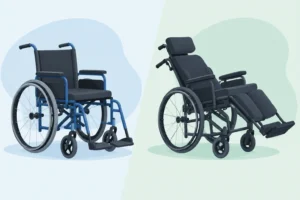
For users with changing needs, a reclining or tilt-oriented model may be worth considering. These features can improve rest and positioning, particularly during longer periods seated. They are not necessary for everyone, and they usually make the chair heavier and more complex. The decision should be based on comfort needs and care routines, not on extra features alone.

Check Weight Capacity, Chair Weight, and Stability

Weight capacity is not a detail to overlook. Choose a wheelchair rated above the user’s current body weight, allowing room for clothing, cushions, personal items, and gradual changes over time. For larger users, a bariatric or XL model with a reinforced frame and wider seating may provide safer support than trying to adapt a standard chair.

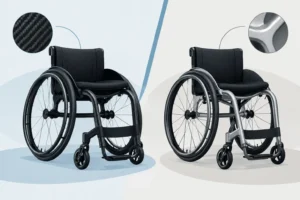
At the same time, look at the chair’s own weight. An ultra-lightweight carbon or magnesium folding chair can be a practical choice for families who regularly place it in a car trunk. A heavy-duty chair may offer greater durability, suspension, or higher capacity, but it may require ramps, a vehicle lift, or two people for safe handling.

Never let a caregiver lift a chair beyond what they can manage. Back injuries often happen during hurried transfers or while trying to fit a heavy mobility device into a vehicle. If car travel is part of the routine, practice folding, lifting, and loading before making a final choice.

Think About Home Access and Outdoor Terrain

Measure the narrowest doorways, hallways, elevator entrances, and bathroom access points at home. Compare those measurements with the wheelchair’s total width, not only the seat width. Also check thresholds, ramps, and turns near the front door. A chair that cannot pass through the bathroom doorway will limit independence at the moment it matters most.

For outdoor use, match the tires and suspension to the actual surfaces. Smooth sidewalks and shopping centers may only require standard wheels. Uneven sidewalks, grass, gravel, and sloped driveways call for more traction, stability, and potentially an off-road design. Larger wheels can improve outdoor comfort, though they may make the chair bulkier indoors.

For electric wheelchairs, review the realistic travel range rather than choosing based on the highest advertised figure. User weight, slopes, terrain, tire pressure, and battery age all affect range. Families should build a simple charging routine, ideally charging after daily use rather than waiting until the battery is nearly empty.

Do Not Skip the Test Drive

A test drive reveals things specifications cannot. The user should spend enough time in the chair to notice pressure points, reach the controls, turn in a tight space, apply the brakes, and transfer in and out. Caregivers should test folding mechanisms, footrests, pushing effort, and storage arrangements as well.

During the test, pay attention to confidence. An older adult who feels frightened by quick acceleration or unstable on a slight slope may avoid using the chair, even if its technical specifications are impressive. Start at a lower speed and choose controls that feel predictable.

A specialist showroom consultation can be especially valuable for first-time buyers because fit, handling, and caregiver workflow can be reviewed together. Vechair’s approach of sales, service, and spare-parts support reflects an essential purchasing principle: a wheelchair is a long-term mobility tool, not a one-time box purchase.

Plan for Service Before You Need It

The value of a wheelchair is measured over months and years of daily use. Ask about warranty coverage, battery replacement, tire and brake service, controller repairs, and availability of common spare parts. Motors, batteries, chargers, and controllers are components that may eventually need professional attention, particularly on electric models.

Medical-device certification and clear warranty terms provide useful reassurance, but local repair access matters just as much. A fast solution is especially important when the wheelchair is the user’s main way to attend appointments or leave home. Keep the model information, charger details, and service contacts in one accessible place.

The best wheelchair is the one that lets an older adult move with less fear, less pain, and more choice. Take the time to measure, test, and ask practical questions now, so every trip out can feel more possible later.

How to Choose a Kerusi Roda Manual RinganCategoriesUncategorized

How to Choose a Kerusi Roda Manual Ringan

A chair that is only a few pounds lighter can change the entire day. It may be easier to lift into a car, turn through a narrow hallway, or push across a clinic parking lot without exhausting the caregiver. A kerusi roda manual ringan, commonly understood as a lightweight manual wheelchair, is not simply a smaller version of a standard chair. It is a mobility tool that should fit the user, the caregiver, the vehicle, and the places where life happens.

For a person recovering from surgery, living with reduced strength, or managing a long-term mobility condition, the right manual chair can protect energy and restore confidence. The best choice is rarely based on chair weight alone. Comfort, safety, posture, wheel design, and daily routine matter just as much.

What Makes a Manual Wheelchair Truly Lightweight?

A lightweight manual wheelchair is generally designed with transport and easier handling in mind. Many use aluminum frames, while premium designs may use materials such as magnesium or carbon fiber to reduce overall weight. But a low number on a specification sheet is useful only when you know what that number includes.

Ask whether the listed weight includes the footrests, armrests, rear wheels, cushion, and anti-tip wheels. Some chairs have quick-release rear wheels or detachable parts, so the heaviest piece a caregiver lifts into a car may be considerably lighter than the complete assembled chair. That difference matters when loading the chair several times a week.

There is also a practical trade-off. An ultra-light chair may be easier to carry, but it can have a narrower seat, smaller wheels, or fewer comfort features. A chair with a slightly heavier frame may provide a more supportive seating position and feel more stable outdoors. The goal is not to buy the lightest possible chair. It is to choose the lightest chair that still supports the user safely and comfortably.

Start With the User, Not the Product Label

The first question is simple: who will use the chair, and how will they use it? A temporary user who needs support after an injury may prioritize a compact folding frame and simple storage. A daily user may need more precise seat sizing, pressure relief, adjustable footrests, and wheels suited to independent propulsion.

Seat width is especially important. A seat that is too narrow can create pressure and discomfort. One that is too wide can reduce posture support and make it harder to reach the wheels efficiently. Seat depth, backrest height, armrest position, and footrest length should also suit the user’s body and mobility level.

Weight capacity deserves the same attention. Never assume a lightweight frame is suitable for every body type. Check the manufacturer’s stated payload, then allow for clothing, bags, cushions, and any items regularly carried on the chair. A chair should never be selected at the edge of its rated capacity.

If the user has limited trunk control, pain, circulation concerns, or a high risk of pressure sores, basic seating may not be enough. A supportive cushion and appropriate backrest can be more valuable than shaving off a few extra pounds. When needs are complex, a hands-on assessment is the safer path.

Self-Propelled or Caregiver-Propelled?

This choice affects the wheel size and how the chair behaves in daily use. Self-propelled wheelchairs typically have larger rear wheels with hand rims. They give the user greater independence on smooth surfaces and can make curbs or uneven ground more manageable with proper technique.

Transport-style wheelchairs use smaller rear wheels and are intended to be pushed by a caregiver. They are often compact and convenient for car travel, hospital visits, shopping trips, or short outings. However, they do not offer the same level of independent movement.

A caregiver-propelled chair can be an excellent choice when it matches the user’s needs. It should not be chosen merely because it folds smaller. If a user expects to move around independently at home, larger wheels may provide more freedom every day.

Choose the Right Folding and Transport Setup

For families who drive frequently, a folding mechanism often becomes part of the buying decision. Traditional cross-brace folding wheelchairs collapse from the sides and can be practical for trunks and storage rooms. Rigid-frame lightweight chairs may be more efficient to propel, but they usually require a larger vehicle or removable wheels.

Before buying, measure the trunk opening, available cargo depth, doorway widths, elevator access, and the narrowest route inside the home. A chair that looks compact in a showroom may still be awkward in a small sedan or apartment entrance.

Consider the person doing the lifting, too. Repeatedly twisting, bending, and lifting a wheelchair can strain a caregiver’s back and shoulders. Detachable footrests, fold-down backrests, and quick-release wheels can make loading more manageable. The best setup is one that can be used safely on an ordinary tired day, not only when everyone feels strong.

Wheels, Brakes, and Terrain Matter More Than Expected

Indoor tile, smooth sidewalks, rough pavement, grass, gravel, ramps, and wet surfaces place very different demands on a manual chair. Small solid front casters are easy to maintain and work well indoors, but they can catch on cracks and uneven pavement. Larger wheels generally roll more smoothly over imperfect surfaces, though they add size and sometimes weight.

Solid tires eliminate the worry of flats and are a practical choice for many users. Pneumatic tires can provide a softer ride and better grip outdoors, but they require inflation and occasional maintenance. Neither is automatically better. The right option depends on where the chair spends most of its time.

Test the brakes with the user seated in the chair. They should be easy to reach, secure on a slope, and clear of the user’s hands while propelling. If transfers are part of the daily routine, consider whether the armrests lift away or detach and whether the footrests swing aside. These small details can make transfers safer for both the user and caregiver.

Comfort Is a Daily Safety Feature

A lightweight chair should not leave the user feeling unstable, cramped, or unsupported. Long periods in an ill-fitting seat can contribute to fatigue, poor posture, shoulder strain, and skin discomfort. A suitable cushion helps distribute pressure and can improve sitting tolerance, particularly for users who spend several hours in the chair.

Pay attention to the backrest angle and the user’s ability to sit upright without sliding forward. Check that the feet rest fully on the footplates rather than dangling. The knees should not be forced too high or too low. If the chair has a seat belt, use it as intended for positioning, not as a substitute for correct seating or supervision.

A short test drive can reveal more than a product description. Try turning, braking, passing through a doorway, reaching a table, and rolling over the type of surface the user encounters most often. If possible, test the chair with the user’s usual cushion, bag, and footwear.

When a Lightweight Manual Chair Is Not Enough

A manual wheelchair is not the right answer for every mobility need. If a user cannot propel safely, tires quickly, has significant shoulder pain, or must regularly travel long distances outdoors, a power wheelchair or mobility scooter may offer greater independence. For users requiring frequent repositioning or assistance with transfers, a reclining or specialized care chair may also be more appropriate.

That does not mean a manual chair has no role. Many households benefit from having a lightweight manual chair for travel, appointments, or backup transportation even when the primary device is powered. The key is to be honest about daily distance, terrain, strength, and caregiving support.

Buy With Service and Long-Term Use in Mind

A wheelchair is a daily-use device, so replacement parts and after-sales service deserve attention before purchase. Tires, brakes, footrests, arm pads, cushions, and wheel components can wear over time. Local support makes a real difference when an adjustment or repair is needed quickly.

At Vechair, customers can compare mobility options in person and test drive suitable models with trained guidance. A hands-on consultation is particularly valuable for first-time buyers, caregivers unsure about lifting weight, and users comparing a compact manual chair with an electric alternative.

The right chair should make movement feel less like a daily obstacle and more like a familiar part of life. Take the time to sit in it, fold it, lift it, and use it in the ways that matter most. A well-chosen lightweight manual wheelchair supports more than transport – it supports the confidence to keep going where you want to go.

Memilih Kerusi Roda Elektrik 200kg dengan YakinCategoriesUncategorized

Memilih Kerusi Roda Elektrik 200kg dengan Yakin

Bagi pengguna bertubuh besar, mencari kerusi roda bukan sekadar soal menemukan tempat duduk yang boleh bergerak. Ia soal rasa yakin ketika keluar rumah, kestabilan semasa melalui laluan tidak rata, dan keselesaan untuk menjalani rutin tanpa membebankan badan atau penjaga. Kerusi roda elektrik 200kg direka untuk memenuhi keperluan ini, tetapi kapasiti tinggi sahaja tidak semestinya menjadikan sesuatu model pilihan yang tepat.

Pilihan yang baik perlu menyokong cara pengguna hidup setiap hari. Adakah kerusi digunakan dari bilik tidur ke ruang makan, untuk ke klinik, ke pusat membeli-belah, atau untuk bergerak di kawasan perumahan? Jawapannya akan menentukan saiz roda, jenis tempat duduk, kuasa motor, keupayaan lipatan dan banyak lagi.

Siapa yang memerlukan kapasiti 200kg?

Kerusi berkapasiti sehingga 200kg lazimnya sesuai untuk pengguna bariatrik, pengguna dengan bentuk tubuh yang memerlukan ruang duduk lebih luas, atau individu yang memerlukan sokongan tambahan daripada kusyen, beg perubatan dan aksesori tertentu. Ia juga boleh menjadi pilihan yang lebih meyakinkan untuk keluarga yang mahukan margin kapasiti tambahan, berbanding memilih kerusi yang terlalu hampir dengan berat pengguna.

Namun, angka 200kg perlu dibaca dengan tepat. Kapasiti muatan merujuk kepada had berat maksimum yang ditetapkan oleh pengeluar, biasanya termasuk pengguna dan barang yang dibawa pada kerusi. Jangan menganggap kapasiti ini sebagai sasaran berat harian yang perlu sentiasa digunakan hingga maksimum. Untuk penggunaan yang lebih stabil dan jangka hayat komponen yang baik, pilih model dengan ruang kapasiti yang munasabah mengikut berat sebenar serta aksesori pengguna.

Lebar tempat duduk juga sama penting. Kerusi yang menyokong 200kg tetapi mempunyai tempat duduk terlalu sempit tetap boleh menyebabkan tekanan pada pinggul, paha dan bahagian sisi badan. Sebaliknya, tempat duduk yang terlalu lebar boleh membuatkan pengguna kurang stabil ketika membelok. Pengukuran badan dan cara pengguna duduk perlu dinilai sebelum membuat keputusan.

Cara memilih kerusi roda elektrik 200kg yang betul

Nilai rangka, pusat graviti dan kestabilan

Rangka heavy-duty perlu direka untuk membawa beban dengan selamat, bukan sekadar menggunakan bahan yang lebih tebal. Perhatikan kedudukan bateri, lebar tapak roda, sistem anti-terbalik dan kestabilan kerusi ketika menaiki cerun atau melalui bonggol kecil. Kerusi dengan pusat graviti yang baik membantu pengguna berasa lebih terkawal, khususnya semasa memulakan pergerakan, membrek dan membelok.

Bahan rangka turut memberi kesan kepada pengalaman penggunaan. Keluli biasanya memberi rasa kukuh dan sesuai untuk aplikasi berat, manakala aluminium tertentu boleh mengurangkan berat keseluruhan tanpa mengabaikan sokongan struktur. Tiada satu bahan yang terbaik untuk semua orang. Jika kerusi perlu diangkat masuk ke dalam kereta, berat kerusi itu sendiri menjadi pertimbangan besar. Jika ia lebih banyak digunakan di rumah atau dihantar menggunakan kenderaan khas, kestabilan dan ruang duduk mungkin lebih utama daripada berat lipatan.

Padankan motor dan tayar dengan kawasan penggunaan

Motor yang mencukupi membantu kerusi bergerak dengan konsisten, terutama apabila membawa pengguna yang lebih berat. Tetapi kuasa bukan hanya tentang kelajuan tertinggi. Tork motor, keupayaan mendaki cerun, kawalan ketika menuruni laluan dan tindak balas brek elektromagnetik jauh lebih bermakna untuk keselamatan harian.

Untuk kegunaan utama di dalam rumah, tayar yang lebih kompak dan jejari pusingan yang baik memudahkan pergerakan di antara pintu, meja makan dan koridor. Jika pengguna kerap bergerak di kawasan luar seperti parkir, laluan simen yang retak atau permukaan berumput ringan, tayar yang lebih besar serta corak cengkaman yang sesuai akan memberikan keselesaan lebih baik.

Model off-road memang menarik untuk laluan mencabar, tetapi ia lazimnya lebih besar dan sukar disimpan. Begitu juga, kerusi yang sangat kompak mungkin mudah dibawa, tetapi perlu dipastikan ia benar-benar mempunyai kapasiti, lebar duduk dan sistem suspensi yang diperlukan. Pilihan terbaik bergantung pada laluan sebenar pengguna, bukan semata-mata rupa atau spesifikasi paling tinggi.

Jangan abaikan keselesaan duduk berjam-jam

Bagi sesetengah pengguna, kerusi roda elektrik digunakan hanya untuk perjalanan singkat. Bagi yang lain, ia menjadi tempat duduk utama selama beberapa jam sehari. Dalam keadaan ini, kusyen, sandaran belakang, sokongan sisi, tempat letak tangan dan kedudukan tapak kaki perlu diberi perhatian serius.

Fungsi recline boleh membantu pengguna menukar tekanan dan berehat dengan lebih selesa. Namun, fungsi ini perlu digunakan mengikut kesesuaian badan dan arahan profesional, terutama bagi pengguna yang mempunyai risiko luka tekanan, masalah postur atau kelemahan kawalan badan. Kerusi yang selesa bukan semestinya kerusi yang paling empuk. Ia ialah kerusi yang menyokong postur pengguna secara stabil tanpa menghasilkan titik tekanan berlebihan.

Periksa juga sama ada ketinggian tempat letak kaki dan kedudukan alat kawalan boleh dilaraskan. Tangan yang cepat lenguh, bahu yang lemah atau jari yang kurang kuat mungkin memerlukan kedudukan joystick yang lebih mudah dicapai. Perincian kecil ini boleh menentukan sama ada pengguna benar-benar mampu bergerak sendiri atau masih terlalu bergantung pada orang lain.

Fikirkan pengangkutan sebelum membeli

Kerusi 200kg-capacity biasanya mempunyai rangka dan komponen yang lebih besar. Walaupun sesetengah model boleh dilipat, ia mungkin masih berat untuk diangkat oleh seorang penjaga. Ukur bukaan pintu rumah, ruang lif, lebar koridor, ruang bonet kereta dan laluan dari tempat letak kereta ke rumah sebelum memilih.

Jangan hanya bertanya sama ada kerusi boleh dilipat. Tanya juga berapa beratnya selepas dilipat, sama ada bateri boleh ditanggalkan, dan sama ada ada bahagian yang perlu dibuka sebelum dimasukkan ke dalam kenderaan. Proses yang terlalu rumit boleh menyebabkan kerusi jarang dibawa keluar, walaupun ia mempunyai spesifikasi yang baik.

Bateri, pengecasan dan jarak perjalanan

Jarak perjalanan yang dinyatakan untuk sebuah kerusi bergantung pada banyak keadaan: berat pengguna, permukaan laluan, tekanan tayar, cerun, suhu dan cara pemanduan. Penggunaan pada kapasiti lebih tinggi lazimnya memerlukan lebih banyak tenaga berbanding perjalanan di lantai rata dengan muatan ringan. Oleh sebab itu, pilih bateri berdasarkan perjalanan harian sebenar, kemudian sediakan margin yang selesa.

Amalkan pengecasan mengikut panduan model dan gunakan pengecas yang disediakan atau diluluskan. Elakkan membiarkan bateri kosong terlalu lama, terutama jika kerusi tidak digunakan untuk beberapa minggu. Bateri ialah komponen pakai habis, jadi akses kepada penggantian bateri dan pemeriksaan teknikal perlu menjadi sebahagian daripada pertimbangan pembelian, bukan perkara yang difikirkan kemudian.

Ujian pandu ialah langkah keselamatan, bukan sekadar cubaan

Spesifikasi atas kertas tidak dapat menggantikan pengalaman duduk dan memandu sendiri. Semasa ujian pandu, pengguna patut mencuba pergerakan ke hadapan, undur, selekoh, berhenti mengejut secara terkawal dan melalui permukaan yang hampir menyerupai laluan harian. Penjaga juga perlu mencuba fungsi lipatan, brek, pengecasan dan cara menolak kerusi secara manual jika bateri lemah.

Di Vechair, ujian pandu di showroom membolehkan pengguna dan keluarga membandingkan keselesaan, ruang duduk serta kawalan sebelum membeli. Ini amat berguna untuk pembeli kali pertama kerana kerusi yang kelihatan sesuai dalam gambar mungkin tidak sepadan dengan postur, kekuatan tangan atau keadaan rumah pengguna.

Pastikan sokongan selepas pembelian benar-benar tersedia

Kerusi elektrik ialah peranti mobiliti dan mesin harian pada masa yang sama. Motor, bateri, controller, tayar dan joystick memerlukan pemeriksaan atau penggantian dari semasa ke semasa. Harga awal yang rendah mungkin tidak lagi berbaloi jika alat ganti sukar diperoleh atau tiada pasukan yang boleh membantu apabila kerusi berhenti berfungsi.

Cari penjual yang boleh menerangkan status pensijilan peranti perubatan, perlindungan waranti dan proses servis dengan jelas. Waranti Vechair merangkumi dua tahun untuk motor serta satu tahun untuk bateri, pengecas dan controller, tertakluk pada terma penggunaan. Sokongan alat ganti dan servis tempatan memberi ketenangan kerana mobiliti pengguna tidak sepatutnya terhenti terlalu lama akibat satu komponen kecil.

Kerusi yang tepat memberi lebih daripada pergerakan dari satu tempat ke tempat lain. Ia memberi pengguna peluang untuk memilih bila mahu keluar, menyertai keluarga di ruang tamu, menghadiri temu janji dan menjalani hari dengan lebih berdikari. Ambil masa untuk mengukur, mencuba dan bertanya – keputusan yang teliti hari ini boleh menjadikan setiap perjalanan selepas ini terasa lebih selamat dan lebih bebas.

Electric Wheelchair Buying Guide for Daily LifeCategoriesUncategorized

Electric Wheelchair Buying Guide for Daily Life

A well-chosen electric wheelchair can change the shape of an ordinary day. It can mean moving independently from the bedroom to the kitchen, joining family outings without exhausting a caregiver, or feeling confident at a shopping mall, clinic, or neighborhood café. But the right chair is not simply the lightest, fastest, or most feature-packed model. It must suit the person, the places they go, and the practical realities of daily care.

For first-time buyers, the number of choices can feel overwhelming. Folding frames, carbon fiber, reclining seats, off-road tires, automatic folding, and high weight capacities all solve different problems. The best decision starts by looking closely at how the chair will be used.

Start With the User’s Real Daily Routine

Before comparing specifications, picture a typical week. Is the chair mainly for use inside an apartment or landed home? Does it need to fit in the trunk of a car? Will it travel on uneven pavements, ramps, grass, or outdoor paths? Is the user able to transfer independently, or will a family member help with every transfer?

Indoor users often benefit from a compact electric wheelchair with a tight turning radius, responsive controls, and dimensions that work around doorways, dining tables, and bathrooms. A chair that is powerful but too wide for the home can quickly become frustrating.

For users who regularly travel by car, chair weight and folding method matter just as much as driving comfort. An ultra-lightweight carbon or magnesium model may be easier for a spouse or adult child to lift. However, lighter designs can involve trade-offs in seat width, battery size, suspension, or heavy-duty capability. A test drive helps reveal whether the convenience of a lighter frame outweighs those compromises.

Match the Electric Wheelchair to Terrain and Distance

Battery range should be based on real routes, not only the longest distance stated in a product specification. Stops, slopes, user weight, tire pressure, surface conditions, and battery age all affect how far a chair can travel on one charge. A short daily trip around the neighborhood requires a different setup from all-day outings through large shopping centers or parks.

Consider where the chair will operate most often. Smooth indoor flooring and mall walkways place very different demands on a wheelchair than broken pavements, gravel, grass, or steep ramps. Larger wheels, stronger motors, improved suspension, and a more stable base can make outdoor movement safer and more comfortable. These features may add weight, so they are usually better suited to users who do not need to lift the chair into a vehicle every day.

Off-road and sport-style models can offer welcome freedom for active users, but they are not automatically the right choice for everyone. Their larger footprint may be less convenient in narrow indoor spaces. The goal is not to buy the most aggressive design. It is to choose a chair that feels controlled and dependable on the terrain the user actually encounters.

Weight Capacity Is a Safety Requirement

A wheelchair’s stated weight capacity should never be treated as a rough suggestion. It needs to accommodate the user’s body weight as well as regularly carried items such as a bag, oxygen equipment, or personal belongings. Choosing adequate capacity supports stability, motor performance, and long-term durability.

For larger users, bariatric electric wheelchairs with reinforced construction and capacities up to 200 kg can provide the space and confidence that a standard chair may not. Seat width, armrest position, footrest support, and ease of transfer deserve the same attention as the maximum load rating. Comfort is not an extra feature when someone sits in a chair for many hours. It is central to safe mobility.

Comfort Helps Protect Independence

An electric wheelchair should support the body, not create new aches by the end of the day. Check seat depth, seat width, backrest height, armrest position, footplate adjustment, and cushioning. A chair that feels acceptable for five minutes can become uncomfortable after an hour, especially for users with reduced strength, pain, poor circulation, or limited ability to reposition themselves.

Reclining and adjustable seating can be particularly useful for users who spend extended periods in the chair or need rest breaks while out. An auto-recline function may also make daily care more manageable for certain users and caregivers. Still, recline adds mechanisms, weight, and complexity, so it should be chosen because it meets a real need rather than because it sounds premium.

Joystick placement is another personal detail with major consequences. The user must be able to reach and operate the controller without straining the shoulder, wrist, or hand. If hand control is limited, discuss alternative control options and assess whether a caregiver will need to operate the chair at times.

Folding, Storage, and Transport Need an Honest Check

A folding electric wheelchair is often a practical choice, but “folding” does not always mean “easy to lift.” Look at the total chair weight, whether the battery can be removed, the folded dimensions, and where the chair will be stored. Measure the vehicle trunk, the apartment lift, the home entrance, and any narrow passageways before buying.

Automatic folding can reduce physical effort and is especially appealing for users who travel frequently with family. Yet a manual compact-folding model may be lighter, simpler, and easier to maintain. It depends on who will handle the chair and how often it will be loaded.

Also consider charging access. The chair should be parked near a suitable power point in a dry, ventilated space. If the battery is removable, charging may be easier in some homes. Establishing a regular charging routine helps prevent the stress of discovering a low battery just before an appointment or outing.

Service Support Matters After Delivery

A mobility chair is a working piece of medical equipment, not a one-time purchase that can be forgotten after checkout. Tires wear, batteries naturally age, controllers may require diagnosis, and electrical parts occasionally need replacement. Reliable local service and spare-parts availability are therefore part of the value of an electric wheelchair.

Ask clear questions before purchasing: What does the warranty cover? How long are the motor, battery, charger, and controller protected? Is there a service team that can inspect or repair the chair? Are replacement parts available for the model? A low initial price can become less attractive if a minor repair leaves the chair unusable for weeks.

Vechair supports buyers through sales, service, and spare parts, with a Kuala Lumpur-area showroom where users and caregivers can test-drive different configurations. Trying the chair in person can answer questions that product photos cannot: whether it turns comfortably, whether the seat feels right, whether a caregiver can fold it, and whether the controls inspire confidence. Certified medical-device equipment and clear warranty coverage also provide practical reassurance when mobility is essential to everyday life.

Bring a Caregiver Into the Decision

When a family member provides support, their experience matters too. They may need to push the chair manually in an emergency, load it into a car, guide it over a threshold, remove the battery, or help the user transfer. A chair that works beautifully for the rider but is impossible for the caregiver to manage may create avoidable strain.

The conversation should remain centered on the user’s independence and preferences. At the same time, honest discussion about lifting ability, storage space, transport, and maintenance creates a solution the whole household can sustain. For some families, a lightweight folding chair is the best fit. For others, a more stable, higher-capacity chair that stays at home or travels in a larger vehicle is the wiser choice.

Test Drive Before You Decide

Specifications are useful, but mobility is personal. During a test drive, practice starting and stopping, reversing, turning through a tight space, approaching a ramp, adjusting the footrests, and reaching the joystick. Spend enough time seated to notice pressure points or poor posture. If possible, bring the person who will usually transport or assist with the chair.

Ask for a demonstration of folding, battery removal, charging, and basic maintenance. A chair should feel understandable, not intimidating. The right model is one that gives the user greater control while fitting naturally into the routines that matter most – family visits, medical appointments, work, worship, errands, and time outdoors.

The most valuable electric wheelchair is not defined by one specification. It is the chair that makes leaving the house feel possible again, and makes everyday movement feel less like a limitation and more like a choice.

Kerusi Roda Karbon Ultraringan untuk Hidup AktifCategoriesUncategorized

Kerusi Roda Karbon Ultraringan untuk Hidup Aktif

Bagi seseorang yang perlu mengangkat kerusi roda masuk ke dalam bonet kereta, beza beberapa kilogram bukan sekadar nombor pada spesifikasi. Ia menentukan sama ada perjalanan ke klinik, pusat beli-belah atau rumah anak dapat dibuat dengan lebih mudah dan yakin. Kerusi roda karbon ultraringan direka untuk mengurangkan beban ini, sambil memberi pengguna lebih kebebasan bergerak tanpa rupa kerusi roda tradisional yang besar dan berat.

Namun, ringan sahaja belum cukup. Kerusi yang benar-benar sesuai perlu stabil, selesa, mudah dikendalikan dan sepadan dengan rutin pengguna. Bagi pengguna di Malaysia, pilihan juga perlu mengambil kira keadaan laluan, ruang rumah, cara pengangkutan serta siapa yang akan mengendalikan kerusi setiap hari.

Mengapa bahan karbon memberi perbezaan

Gentian karbon digunakan dalam produk berprestasi tinggi kerana nisbah kekuatan kepada beratnya. Pada kerusi roda elektrik, bahan ini membantu menghasilkan rangka yang lebih ringan tanpa menjadikan struktur terasa rapuh. Hasilnya ialah kerusi yang lebih praktikal untuk dipindahkan, dilipat dan disimpan, khususnya bagi keluarga yang kerap menggunakan kereta.

Kelebihan paling terasa biasanya berlaku sebelum kerusi itu mula bergerak. Penjaga tidak perlu mengangkat rangka yang terlalu berat. Pengguna pula boleh membawa kerusi ke dalam lif, melalui pintu rumah atau menyusunnya di ruang kecil dengan kurang tekanan fizikal. Bagi warga emas yang tinggal di kondominium atau keluarga yang sentiasa bergerak antara Kuala Lumpur dan Selangor, kemudahan ini boleh mengubah keseluruhan rutin harian.

Karbon juga memberikan penampilan moden dan kemas. Ini penting kerana alat mobiliti sepatutnya menyokong gaya hidup pengguna, bukannya membuat mereka berasa terasing. Kerusi roda tidak perlu kelihatan seperti peralatan hospital untuk berfungsi dengan baik.

Ringan tidak bermaksud sesuai untuk semua keadaan

Kerusi yang sangat ringan mempunyai kelebihan jelas, tetapi pemilihan tetap bergantung pada keperluan sebenar. Jika pengguna bertubuh besar, memerlukan sokongan postur yang lebih kompleks atau kerap melalui laluan berbatu dan cerun curam, keutamaan mungkin perlu diberikan kepada kapasiti muatan, saiz tayar, kestabilan dan sistem suspensi.

Begitu juga bagi pengguna yang memerlukan kerusi untuk tempoh lama setiap hari. Lebar tempat duduk, kedalaman kusyen, sandaran belakang, kedudukan kaki dan sokongan lengan memberi kesan besar terhadap keselesaan. Sebuah model karbon yang ringan tetapi sempit atau kurang menyokong badan boleh menyebabkan cepat letih selepas beberapa jam.

Untuk perjalanan udara atau penggunaan luar negara, semak juga jenis bateri dan syarat pengangkutan syarikat penerbangan lebih awal. Kerusi elektrik yang mudah dilipat memang membantu ketika transit, tetapi bateri perlu mematuhi peraturan penerbangan yang berbeza mengikut operator. Jangan membuat andaian hanya berdasarkan saiz kerusi.

Pilih kerusi roda karbon ultraringan mengikut rutin anda

Cara terbaik memilih ialah bermula dengan satu soalan mudah: di manakah kerusi ini akan digunakan paling kerap? Jawapannya menentukan ciri yang benar-benar bernilai, bukan sekadar yang kelihatan menarik dalam gambar.

Untuk pemanduan dan perjalanan keluarga

Jika kerusi akan keluar masuk bonet kereta hampir setiap hari, fokus pada berat keseluruhan, mekanisme lipatan dan saiz selepas dilipat. Minta ahli keluarga yang biasa mengangkat kerusi mencuba sendiri. Ada model yang ringan ketika diangkat tetapi bentuknya sukar dipegang, manakala model lain mungkin sedikit lebih berat tetapi mempunyai titik pegangan dan lipatan yang lebih mesra pengguna.

Periksa juga sama ada kerusi boleh berdiri selepas dilipat atau perlu dibaringkan. Perincian kecil ini mempengaruhi ruang bonet dan cara ia disimpan di rumah. Untuk pengguna yang memandu sendiri, pastikan proses membuka, menutup dan mengunci kerusi boleh dilakukan dengan selamat tanpa memerlukan tenaga berlebihan.

Untuk pergerakan di rumah dan pusat beli-belah

Ruang dalaman memerlukan jejari pusingan yang baik. Ukur pintu bilik mandi, laluan antara perabot, lif dan ruang dapur sebelum memilih. Kerusi yang nampak kompak di bilik pameran mungkin masih sukar membelok di pangsapuri yang sempit jika kedudukan roda atau lebar tempat duduk tidak sesuai.

Kawalan joystick juga perlu mudah dicapai dan responsif. Pengguna dengan kekuatan tangan yang terhad mungkin memerlukan susunan kawalan tertentu, kelajuan permulaan yang lebih lembut atau pilihan pemasangan joystick di sebelah yang lebih kuat. Ini ialah perkara yang lebih mudah dinilai melalui percubaan sebenar berbanding membaca spesifikasi.

Untuk kegunaan luar rumah

Jalan kaki di Malaysia tidak sentiasa rata. Terdapat jubin tidak sekata, bonggol kecil, longkang, cerun parkir dan permukaan basah selepas hujan. Kerusi karbon ultraringan yang direka untuk mobiliti harian boleh mengendalikan laluan biasa dengan baik, tetapi ia bukan semestinya kerusi off-road.

Nilai diameter tayar, kelegaan bawah kerusi, sistem anti-terbalik, kuasa motor dan kemampuan mendaki cerun. Jika pengguna kerap melalui permukaan kasar, sebuah model yang sedikit lebih berat tetapi lebih stabil mungkin memberi ketenangan fikiran yang lebih besar. Ringan membantu pengangkutan, manakala kestabilan melindungi keyakinan ketika bergerak.

Jangan bandingkan berat rangka sahaja

Semasa melihat spesifikasi, pastikan anda mengetahui angka yang dirujuk. Sesetengah kerusi menyatakan berat rangka tanpa bateri, manakala yang lain menyatakan berat lengkap untuk digunakan. Bateri, kusyen, alat kawalan dan aksesori boleh menambah berat yang ketara apabila tiba masa untuk mengangkatnya.

Tanyakan juga tentang kapasiti muatan maksimum dan cara berat pengguna diagihkan. Kapasiti tinggi bukan hanya isu keselamatan, malah mempengaruhi prestasi brek, ketahanan rangka dan kestabilan ketika melalui cerun. Kerusi perlu mempunyai margin yang munasabah untuk pengguna, pakaian, beg kecil dan keperluan harian.

Jarak perjalanan bateri pula bergantung pada berat pengguna, keadaan tayar, jenis permukaan, suhu dan kekerapan berhenti-mula. Angka jarak maksimum sangat berguna sebagai rujukan, tetapi rutin sebenar mungkin berbeza. Bagi penggunaan panjang, pertimbangkan lokasi pengecasan di rumah dan sama ada bateri mudah ditanggalkan untuk dicas.

Ujian pandu ialah langkah yang tidak patut dilepaskan

Kerusi roda ialah alat yang menyentuh kehidupan pengguna setiap hari. Sebab itu, duduk dan memandu sendiri lebih bermakna daripada memilih hanya berdasarkan harga atau berat. Ketika ujian pandu, rasakan sama ada tempat duduk menyokong paha dengan baik, sandaran selesa dan kaki berada dalam kedudukan stabil. Cuba belok, berhenti, bergerak perlahan dan naik cerun kecil jika ada kemudahan untuk melakukannya.

Penjaga juga patut hadir. Mereka boleh menilai cara melipat kerusi, mengangkatnya, mengunci roda dan memasukkannya ke dalam kenderaan. Di Vechair, sesi di showroom membolehkan pengguna dan keluarga melihat perbezaan antara reka bentuk karbon, magnesium, kompak, recline dan model berkapasiti lebih tinggi dengan panduan staf terlatih.

Nilai sokongan selepas pembelian, bukan produk sahaja

Bagi kerusi roda elektrik, servis dan alat ganti adalah sebahagian daripada keputusan pembelian. Tayar, bateri, pengecas, joystick dan komponen elektronik memerlukan pemeriksaan atau penggantian mengikut penggunaan. Harga awal yang rendah boleh menjadi mahal jika tiada pusat servis tempatan atau alat ganti sukar diperoleh.

Pilih pembekal yang dapat menerangkan perlindungan waranti dengan jelas, termasuk komponen yang dilindungi dan tempohnya. Status pensijilan peranti perubatan juga memberi keyakinan tambahan bahawa produk dikendalikan dalam kategori yang betul. Untuk keluarga yang membeli kerusi pertama kali, bantuan selepas pembelian sering menjadi sama penting dengan ciri produk itu sendiri.

Kerusi yang baik tidak sepatutnya membuat pengguna berasa bergantung kepada orang lain untuk setiap perjalanan. Ambil masa untuk mencuba, bertanya tentang penggunaan sebenar dan pilih model yang menjadikan langkah keluar dari rumah terasa lebih ringan – pada badan, dan juga pada hati.

Electric Wheelchair Automatic Folding Buying GuideCategoriesUncategorized

Electric Wheelchair Automatic Folding Buying Guide

A wheelchair can make it possible to join a family meal, visit the clinic without exhausting a caregiver, or get into the car for a long-awaited outing. That is why choosing a kerusi roda lipat automatik should start with real routines, not just a product photo or a low price.

For many users, automatic folding is not simply a convenient feature. It can reduce the physical effort of handling a mobility device, make storage easier in a condominium or terrace home, and help a caregiver manage transport more safely. But automatic folding also adds motors, controls, and moving parts. The right chair is the one that fits the user, the caregiver, the vehicle, and the places it will be used most often.

What Is a Kerusi Roda Lipat Automatik?

A kerusi roda lipat automatik is generally an electric wheelchair with a powered mechanism that folds and unfolds the frame at the touch of a button or through a simple remote control. Once folded, the chair becomes more compact for car boots, home storage, and travel planning.

This is different from a standard folding electric wheelchair, which may still require the user or caregiver to release a latch and fold the frame manually. It is also different from a lightweight manual wheelchair. Automatic folding solves one specific challenge: reducing the handling effort required before and after a journey.

The feature is especially useful when the user has limited hand strength, arthritis, balance concerns, or fatigue. It can also help caregivers who repeatedly lift, store, and retrieve the chair. Still, the folded chair must usually be lifted or loaded into a vehicle, so folding automation does not automatically mean the chair is light enough for every person to handle alone.

Start With the Daily Journey, Not the Specification Sheet

A chair may look compact online yet feel awkward at the car park, on a ramp, or inside a narrow home corridor. Before comparing models, picture a typical week. Consider where the wheelchair will be stored, who will operate it, how it will enter the car, and whether it needs to navigate lifts, shopping centers, uneven pavements, or outdoor family gatherings.

For a user who mainly moves around the home and visits nearby appointments, compact dimensions and a tight turning radius may matter more than high speed. For someone who travels frequently with family, chair weight, folding size, and battery handling become the priority. A user who spends longer periods in the chair may need more attention to seating support, posture, pressure relief, and recline functions.

It depends on the situation. An ultra-light model can be easier to transport, but a heavier chair may offer a more substantial frame, larger wheels, stronger suspension, or a higher weight capacity. A compact chair can suit tight indoor spaces, while a larger model may provide a more stable ride on rougher outdoor surfaces.

Weight Has Two Meanings

When shoppers ask whether a wheelchair is lightweight, they often mean the total weight of the chair. That number matters, especially for caregivers loading it into a vehicle. However, it is only one part of the decision.

First, check whether the stated weight includes the battery. Some electric wheelchairs use removable batteries, which can make lifting easier because the chair and battery can be handled separately. Second, check the maximum user weight. The chair should provide an appropriate safety margin rather than operating at its limit every day.

Also look at the folded dimensions. A chair can be light but long or bulky when folded. Measure the boot opening, not only the space inside the boot. Take note of the height of the loading lip as well. A folding chair that technically fits may still be difficult to lift over a high car bumper.

Automatic Folding Should Be Safe and Simple

A reliable automatic folding mechanism should be intuitive enough that both the user and caregiver can operate it with confidence. The controls should be clearly positioned, and the chair should fold on level ground without forcing the frame or trapping loose items.

During a demonstration, ask to fold and unfold the chair several times. Watch the movement of the footrest, armrests, joystick, and cables. Confirm what happens if the battery is low and whether there is a manual backup procedure. Ask where fingers should be kept during folding, particularly if children or multiple family members will be around the chair.

A practical detail is whether the chair can remain upright when folded. This affects storage in narrow spaces and whether one person can guide it through a doorway or toward a car. Wheels designed for rolling the folded chair can also make a meaningful difference, even when the chair still needs to be lifted for loading.

Comfort Is a Safety Feature, Not an Extra

A wheelchair that is uncomfortable is less likely to be used confidently. More importantly, poor support can contribute to sliding, fatigue, poor posture, and pressure discomfort during longer outings. Seat width, seat depth, backrest height, armrest position, and footrest adjustment should suit the individual user.

Pay close attention to the user’s hips, thighs, feet, and head position. Feet should rest securely rather than dangle, and the user should not feel squeezed at the hips or forced to lean to one side. A supportive cushion may be appropriate for users who sit for extended periods, but it should not make the seat height impractical for dining tables, transfers, or vehicle access.

Reclining functions can improve comfort for some people, especially during longer periods of sitting. Yet recline adds weight, complexity, and sometimes a larger overall footprint. It is worth choosing when it addresses a genuine care need, not merely because it sounds premium.

Battery Range Is About Real Conditions

Manufacturer range figures are helpful, but they are not a promise that every user will travel the same distance. Range changes with body weight, terrain, tire condition, speed, slopes, frequent stopping, and battery age. Outdoor heat and long climbs can also affect performance.

Instead of choosing based on the largest kilometer figure, estimate the actual daily requirement. A chair used around the home, mall, clinic, and nearby neighborhood may not need extreme range. A user who spends full days outdoors or takes longer trips may benefit from a larger battery, provided it does not make transport too difficult.

Ask how long charging takes, whether the battery can be removed, and how replacement batteries are supplied. Follow the charging instructions carefully. A battery should be charged with its approved charger and stored according to the manufacturer’s guidance, particularly if the chair will not be used for several weeks.

Indoor and Outdoor Use Need Different Priorities

Smooth indoor flooring, narrow doorways, and elevator access call for maneuverability. Look at the chair’s overall width and turning behavior with the footrests in place. Test whether it can approach a dining table, bathroom entrance, or bedroom comfortably.

Outdoor use introduces different demands. Small front wheels can struggle with cracks, loose gravel, grass, and uneven pavements. Larger wheels, better ground clearance, suspension, and a stable frame may create a more secure experience, though these features can increase the chair’s size and weight.

No electric wheelchair should be treated as an all-terrain vehicle unless it is specifically designed for off-road use. Steep ramps, wet tiles, drain covers, and road edges require caution regardless of the chair’s power. A safe speed setting and proper practice are often more valuable than a high top speed.

Service Support Matters After Delivery

An automatic folding chair is a piece of mobility technology, not a disposable appliance. Motors, controllers, batteries, tires, and folding components may eventually require inspection, adjustment, or replacement. The availability of local technicians and spare parts can be just as important as the original purchase price.

Before buying, ask about warranty coverage, service procedures, battery replacement, and the expected availability of parts. Vechair Technology supports its mobility range through sales, service, and spare parts, with warranty coverage that includes two years for motors and one year for batteries, chargers, and controllers. For first-time buyers, a guided test drive is valuable because it reveals fit, comfort, and handling issues that specifications alone cannot show.

Questions Worth Asking During a Test Drive

A short demonstration should feel like a real-use check, not a quick ride across a showroom floor. Test the turning response, braking feel, joystick sensitivity, seating position, and visibility around the chair. If possible, practice approaching a ramp and maneuvering through a tighter space.

Ask the staff to demonstrate folding, unfolding, charging, and safe transfers. If a family member will regularly help, bring that person along. They should try moving the folded chair, lifting it only if appropriate, and understanding the controls. The best choice supports both the person sitting in the chair and the person assisting them.

A kerusi roda lipat automatik should make daily movement feel more possible, not create another difficult routine. Take the time to test it honestly, measure the spaces that matter, and choose the model that gives the user greater confidence to say yes to the next outing.